6 minute readUpdated
Start with the hookups
Before anything else, establish two things: whether your dryer hookup is gas or electric, and if electric, whether the outlet is 3-prong or 4-prong.
Gas and electric dryers are not interchangeable — a gas dryer needs a gas line, and converting a hookup is an expensive job. The cord type is a much smaller issue: cords are inexpensive and swap in minutes, but you need the right one.
For the washer, confirm you have hot and cold supply valves and a drain standpipe, and that there is room behind the machine for the hoses without kinking them.
Front load versus top load
The practical differences
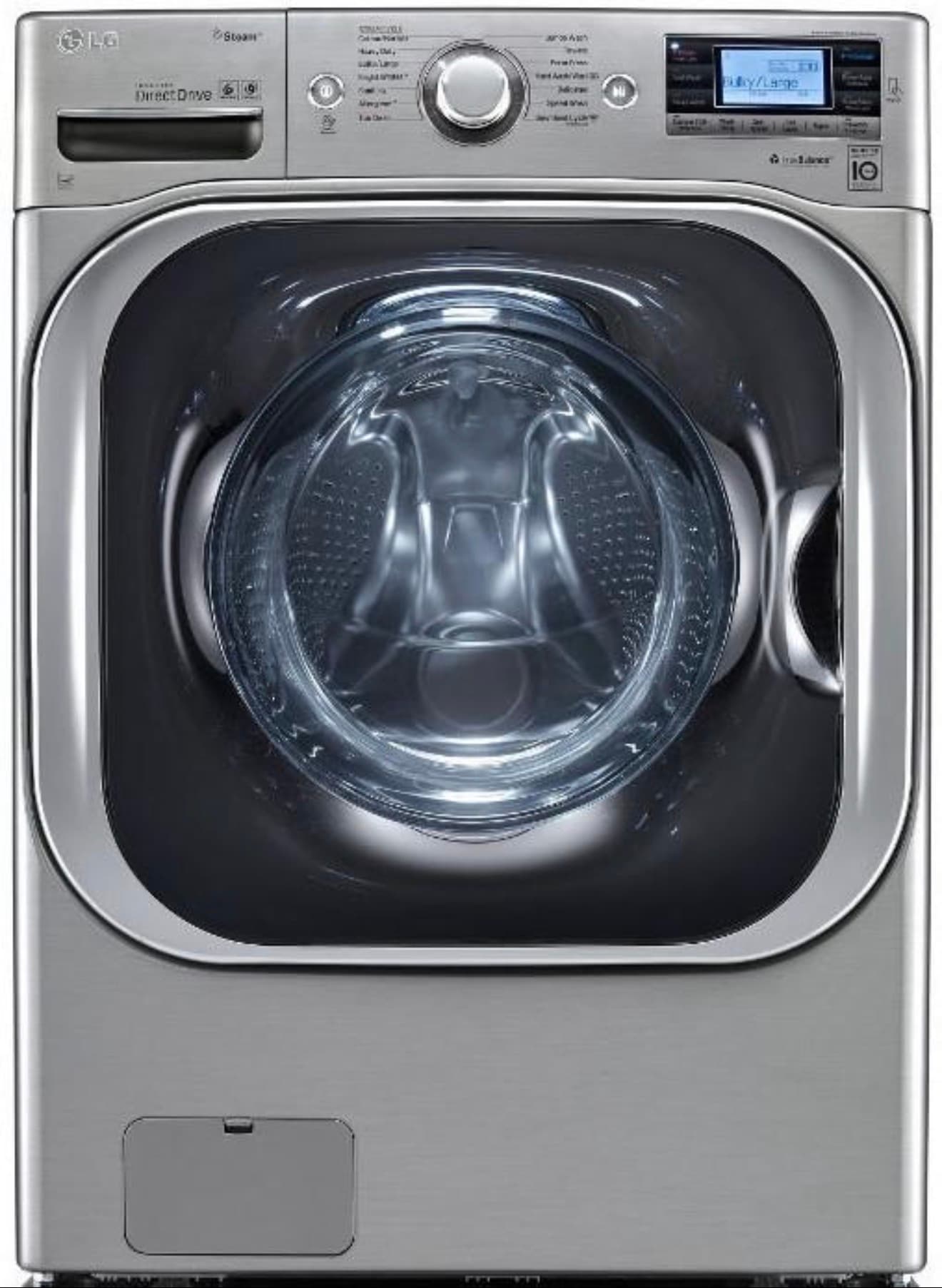
- Front load: uses less water, extracts more water on the spin (so dryer time drops), and can be stacked with a matching dryer. Requires room for the door to swing out.
- Top load: loads without bending, and generally a shorter cycle. Cannot be stacked. Needs vertical clearance for the lid to open, which matters under a shelf or cabinet.
- Front load doors need to be left ajar between loads to prevent odour in the gasket. If that will annoy you, top load may suit you better.
- Top load with no centre agitator fits bulkier items than the older agitator design.
Capacity, in plain terms
Capacity is quoted in cubic feet. Around 4.5 cu. ft. handles a typical family load comfortably, including a comforter. Below about 3.5 cu. ft. you are in compact or apartment territory, which is fine for one or two people and frustrating for four.
Pair sensibly: a dryer should have noticeably more capacity than the washer it serves, because wet clothes need room to tumble. A 4.5 cu. ft. washer pairs well with a 7 cu. ft. or larger dryer.
Measuring the space
Measure with the door open
- Width of the alcove or closet, at the narrowest point.
- Depth including the door fully open — the number that matters for a closet with bifold doors.
- Height, particularly if you plan to stack or if there is a shelf above.
- Add a few inches behind for hoses and the dryer vent, which a periscope vent can reduce in a tight install.
- The path in: stairs, landings and basement turns. Laundry pairs are heavy and awkward to angle.
Buying the set together
A matched pair is usually the cheapest way to replace a full laundry room, and the units look right together. If you intend to stack a front load pair, you need the manufacturer's stacking kit for those specific models — it is sold separately and it is not universal.
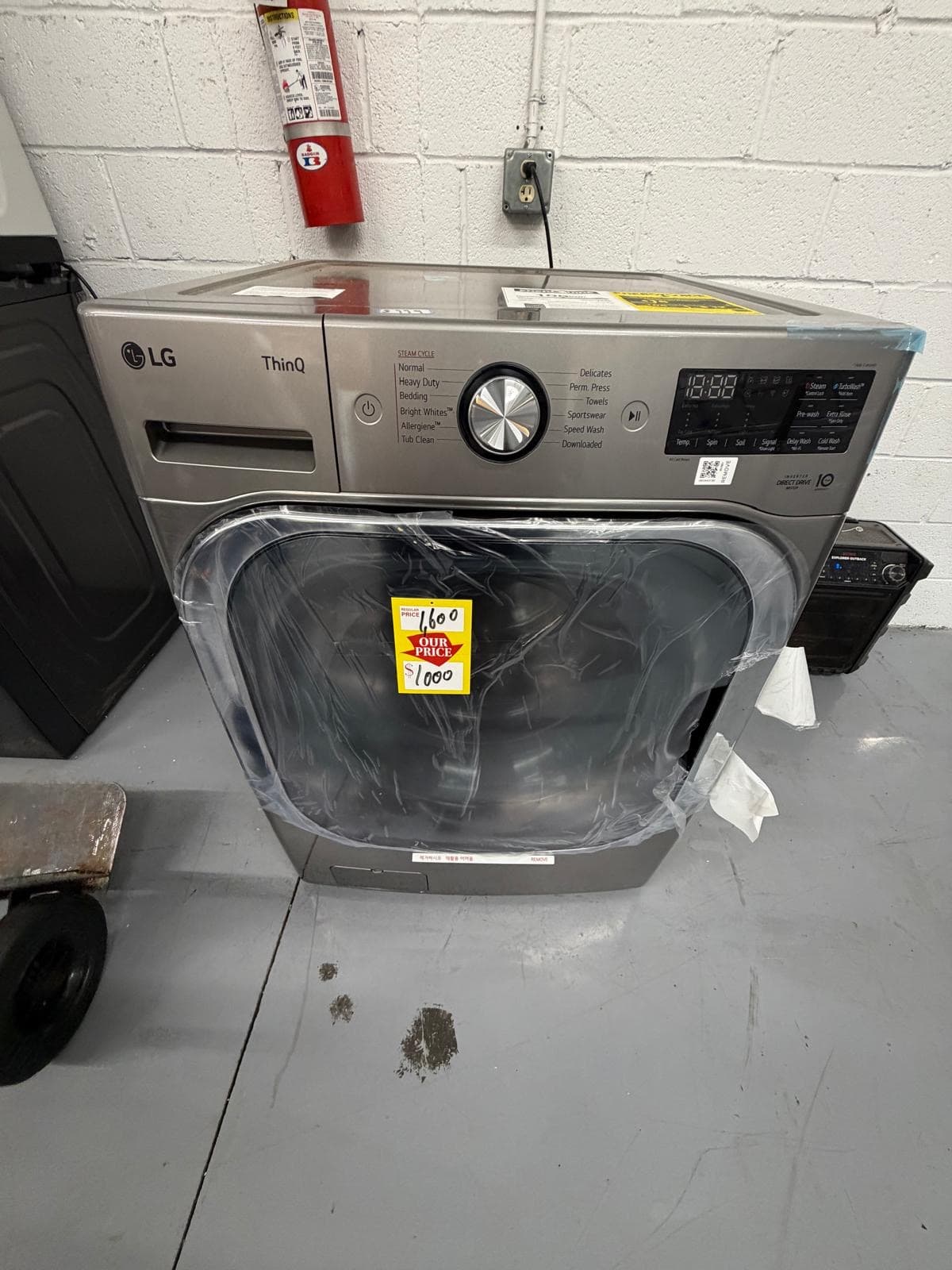
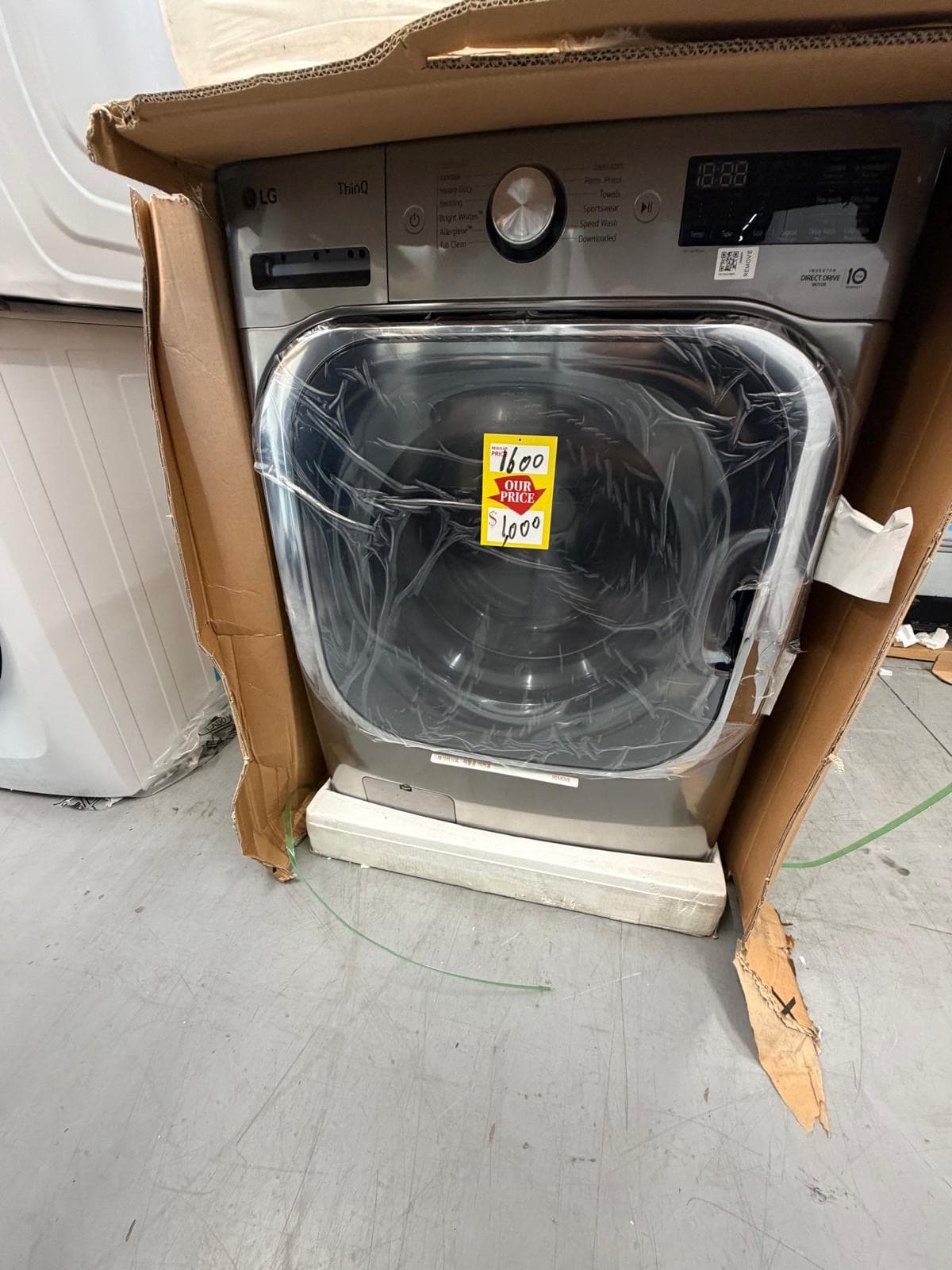
One practical note on scratch & dent laundry: side-panel damage is nearly always invisible once the units are installed side by side in an alcove. It is one of the best value cases in the category.
Questions
Can any washer and dryer be stacked?
No. Only front load washers and dryers can be stacked, and they need the manufacturer's stacking kit made for those specific models. Top load washers cannot be stacked at all. Check that a stacking kit exists for the pair before you buy if stacking is the plan.
What size washer do I need?
Around 4.5 cubic feet suits a typical family and will handle a comforter. Compact units below about 3.5 cubic feet work for one or two people. Pair a washer with a dryer of noticeably larger capacity so wet clothes have room to tumble.