6 minute readUpdated
What your kitchen allows
If you only have one of the two, the practical choice is to buy for what you have. Running a new gas line or a new 240V circuit is a real project with a real cost attached.
Check before you shop
- A gas range needs a gas line at the range location plus a standard outlet for the igniter and clock.
- An electric range needs a dedicated 240V circuit and outlet — not the standard 120V that everything else in the kitchen uses.
- A dual fuel range (gas cooktop, electric oven) needs both.
- Propane is not the same as natural gas. Many ranges can be converted with a kit, but it has to be done deliberately.
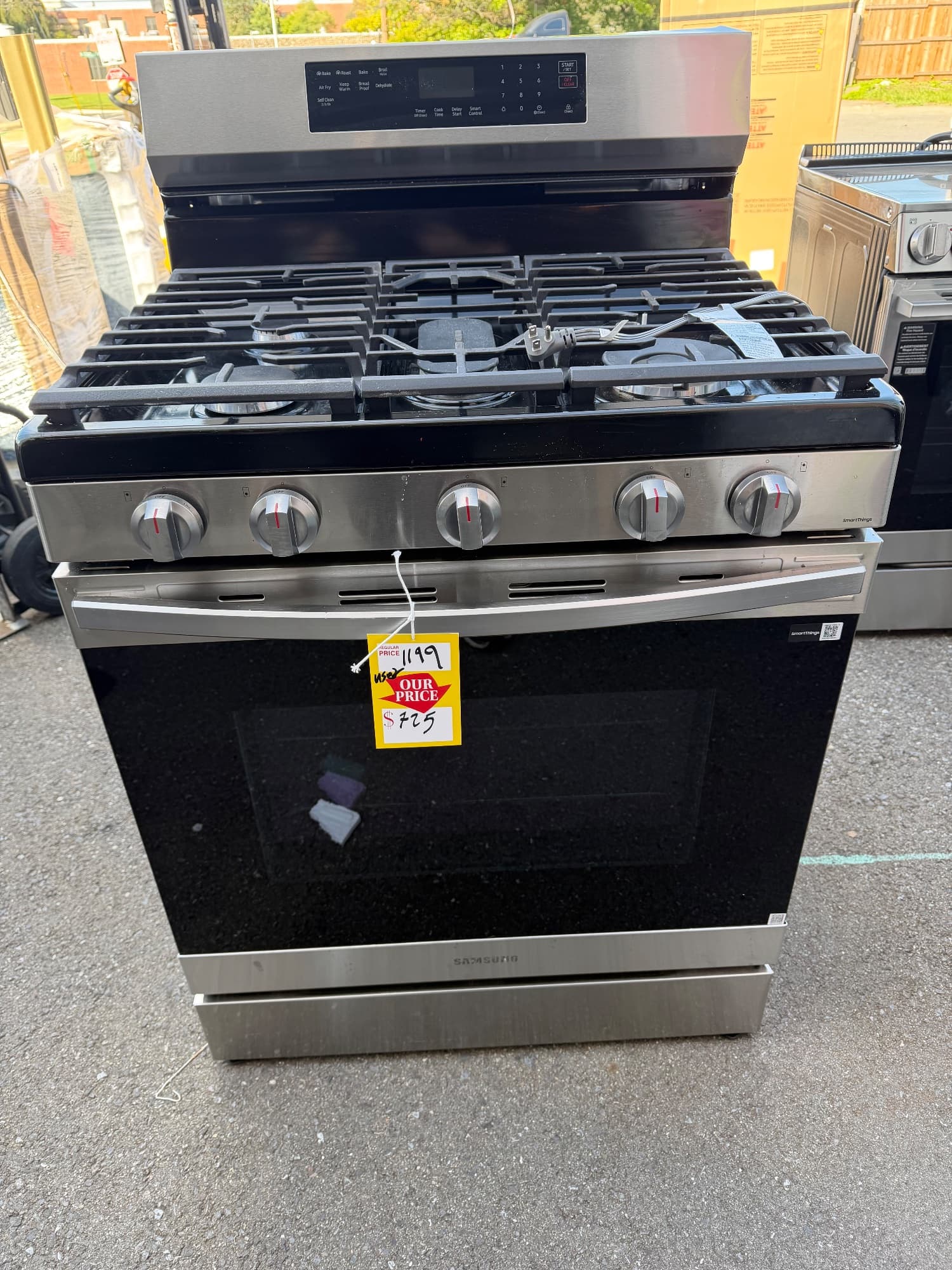
Gas
Gas gives immediate visual feedback and instant heat changes, which is why a lot of people who cook a lot prefer it. It works with any cookware, including warped pans, and it keeps working in a power cut for the cooktop burners.
The downsides: gas ovens tend to heat less evenly than electric, gas adds moisture and combustion products to the kitchen air (use the vent), and burner grates and caps take more cleaning than a flat surface.
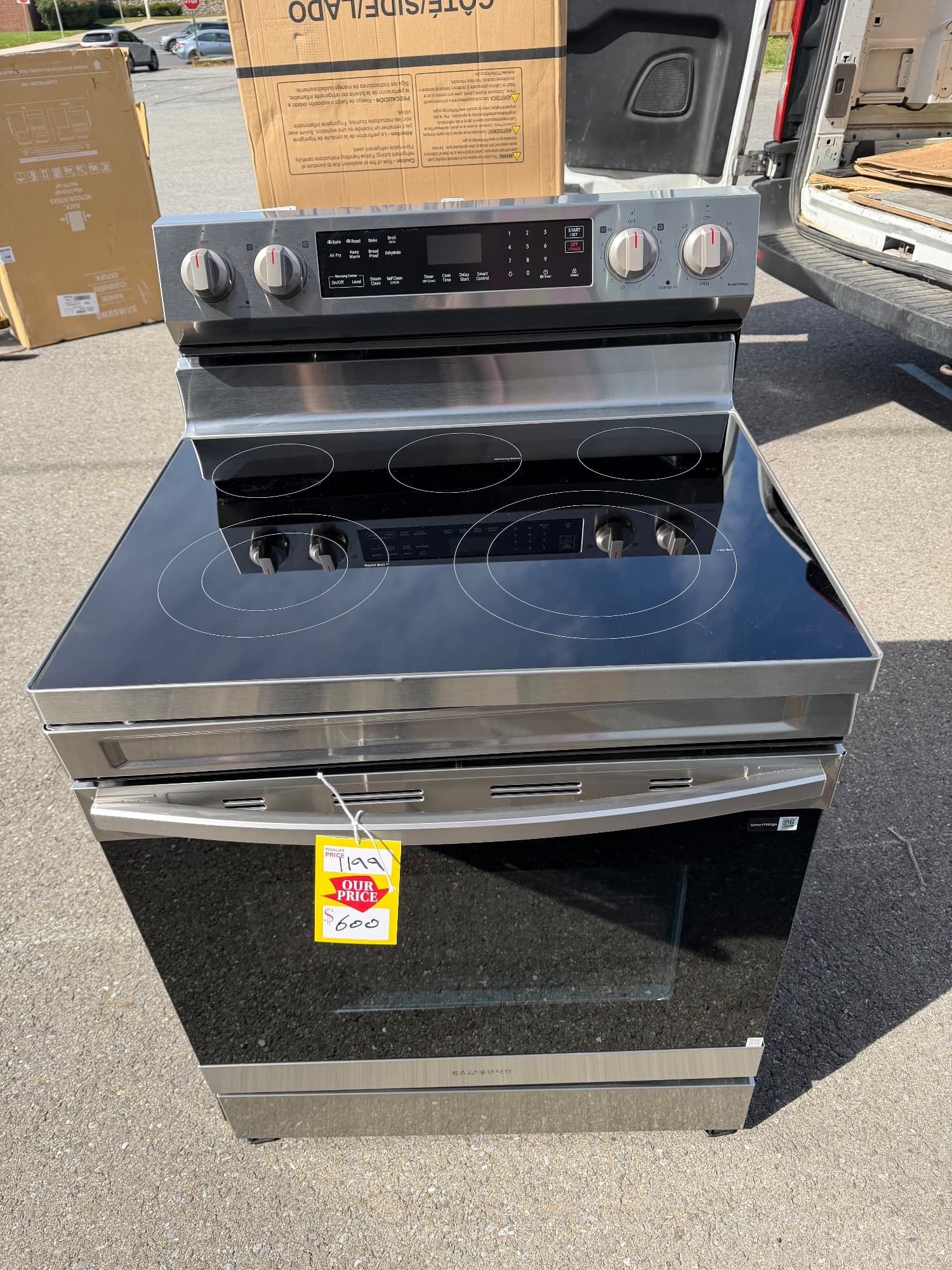
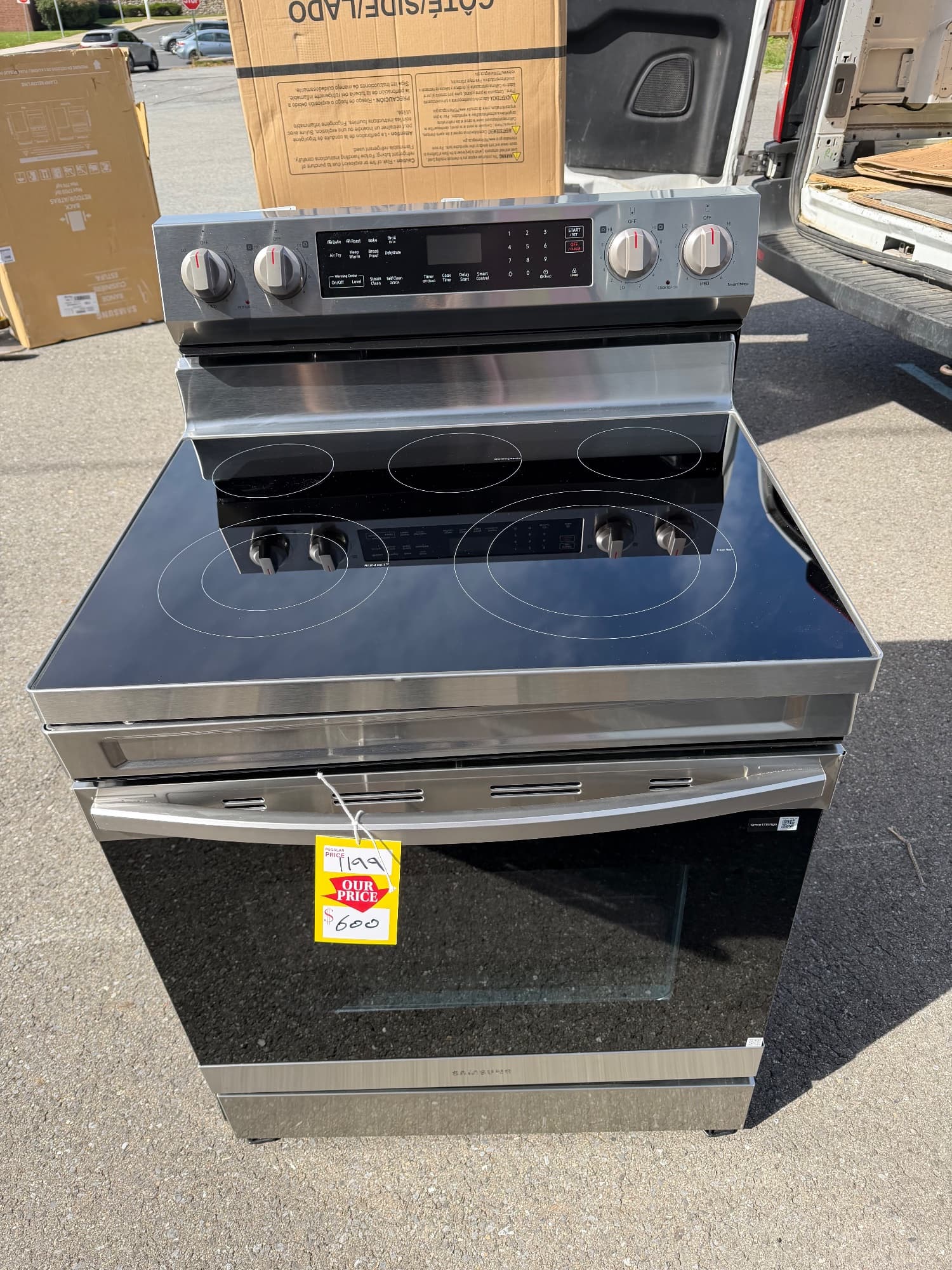
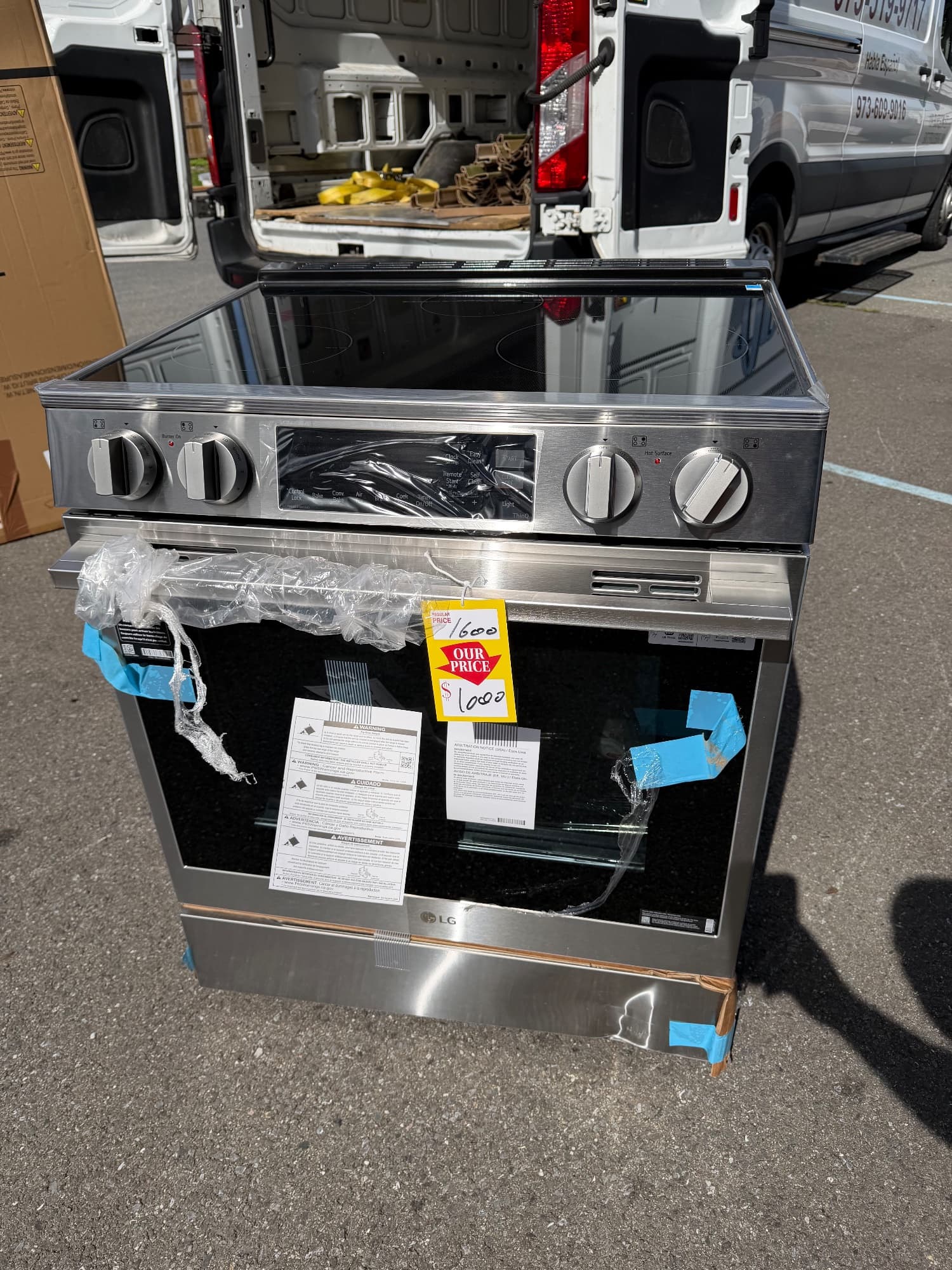
Electric (smooth top)
Electric ovens generally bake more evenly, which matters if you bake seriously. The flat ceramic cooktop wipes clean in seconds, which is the single biggest day-to-day advantage.
The trade-off is responsiveness: the element takes time to heat and stays hot after you turn it down, so a pan that is about to boil over does not stop just because you did. Smooth tops also want flat-bottomed cookware and scratch if you drag cast iron across them.
Induction
Induction is electric, but it heats the pan directly through a magnetic field rather than heating a surface. It is faster than gas, responds as immediately as gas, and the cooktop itself stays comparatively cool — which makes it the easiest of the three to clean and the safest around children.
The catch is cookware: it only works with magnetic pans. Test a pan with a fridge magnet — if the magnet grips firmly, it works. Aluminium and most copper and some stainless will not.
Dual fuel
A gas cooktop with an electric oven gets you the responsiveness of gas where you are watching the pan and the even heat of electric where you are not. It is the enthusiast's answer, and it needs both hookups, which is why it is less common.
Sizing and fit
Most freestanding ranges are 30 inches wide. Slide-in models sit flush with the counter for a built-in look and usually require a specific counter cutout, so measure carefully if you are replacing a freestanding unit with a slide-in.
Check that the oven door can open fully without hitting an island, and check the depth against your counter. And as always, measure the path into the kitchen, not just the gap it is going into.
Questions
Can I replace a gas range with an electric one?
Only if a 240V circuit and outlet are available at the range location. A standard kitchen outlet is 120V and will not run an electric range. Adding a 240V circuit is an electrician's job, so it is usually cheaper to replace like for like unless you are already rewiring.
Does induction need special pans?
Yes — induction only works with magnetic cookware. Hold a fridge magnet to the bottom of a pan: if it grips firmly, the pan will work on induction. Cast iron and most stainless steel work; aluminium and copper generally do not unless they have a magnetic base layer.